Facebook
magnify
Slider Wilkommen
Slider Melbet-ə qayıdışda yaddaşa deyil, cari məlumata güvənmək
Slider Screenshots that help your Winshark case without exposing private data
Slider What a displayed currency really tells you at WinSpirit
Slider Dados essenciais resumidos acerca do F12BET
formats

Wilkommen

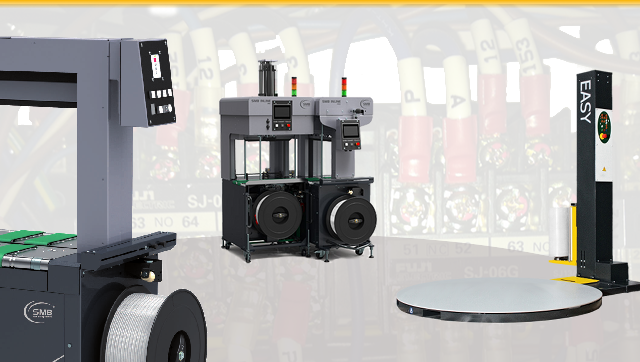
Als ehemaliger  Serviceleiter der Firmen Contipak (vor dem Jahr 2000  unter Cyklop – Contipak mit Standort Wien 6 bekannt) und gewerblicher Geschäftsführer  ab 2005 nach Umfirmierung zu Maillis Österreich, mit 30 Jahren Berufserfahrung, habe ich im Jahr 2009 mein eigenes Unternehmen gegründet. Die Firma Packesel hat sich sowohl auf das Service für Verpackungsmaschinen, sowie auf die Beratung, Planung von Verpackungsanlagen und Verkauf von Neugeräten spezialisiert. Technischer Support, Unterstützung und Planung von Verpackungslösungen, als auch der Vertrieb von Verbrauchsmaterial zählen zu unserem Leistungsspektrum.

Zu den Themen

  • sichere Verpackung für Ihre Produkte
  • die optimale Verpackungsmaschine für Ihren Betrieb
  • und vieles mehr rund um das Thema Verkauf, Service und Reparatur von Verpackungsmaschinen und Lieferung von Verpackungsmaterial

stehen wir Ihnen österreichweit gerne an Ihrem Firmenstandort zur Verfügung.

 
formats

Melbet-ə qayıdışda yaddaşa deyil, cari məlumata güvənmək

Melbet-ə növbəti girişdə yoxlama necə aparılmalıdır

Keçmiş təcrübə adama rahatlıq verir, amma hesaba yenidən daxil olarkən köhnə təəssürat səhv qərar çıxara bilər. Melbet-də vəziyyət dəyişdikcə əvvəl gördüyünüz ekranlar, seçdiyiniz parametrlər və təsdiqlərin mətnləri artıq fərqli ola bilər. Ona görə növbəti addımı atmazdan əvvəl niyyətinizi ekranda görünən faktiki təsdiqlə müqayisə etmək vacibdir.

Köhnə təəssüratla cari təsdiq arasındakı fərq

Melbet-ə qayıdan istifadəçinin əsas riski odur ki, o, əvvəlki girişdə gördüyü ardıcıllığı hazırkı vəziyyətin təsviri kimi qəbul edir. Halbuki ekranda oxuduğunuz təsdiq mətni konkret əməliyyatın cari şərtlərini göstərir: hansı məbləğin çıxılacağı, hansı seçimin aktiv qalacağı, hansı addımın geri qaytarılmaz olduğu kimi detallar orada yazılır. Yaddaşınız keçmişdəki versiyanı saxlayır, təsdiq isə indiki versiyanı təqdim edir. Bu iki mənbə üst-üstə düşməyəndə qərarı yaddaşa deyil, ekrandakı mətnə əsaslandırın. Bu, həm səhv təsəvvürün qarşısını alır, həm də hər əməliyyatın öz təsdiq mərhələsi olduğunu xatırladır. Yəni qayıdış zamanı yoxlama obyekti keçmiş təcrübə deyil, hazırda qarşınızda duran təsdiq pəncərəsidir.

Fərqi görmək üçün təsdiqi sadə dildə oxumaq kifayətdir: əməliyyatın nəticəsi, məbləği və şərti ayrı-ayrı cümlələr kimi qavranmalıdır. Əgər bir detal yaddaşınızdakı ilə uyğun gəlmirsə, bu, mütləq nasazlıq demək deyil; sadəcə şərtlər və ya interfeys dəyişmiş ola bilər. Ona görə yoxlamanı tələsik keçməyin, hər sətri öz niyyətinizlə tutuşdurun. Niyyətiniz “müəyyən məbləği yerləşdirmək”dirsə, təsdiqdə həmin məbləğin görünüb-görünmədiyini yoxlayın; niyyətiniz “seçimi saxlamaq”dırsa, təsdiqin hansı seçimi qoruyub saxladığını oxuyun. Bu yanaşma yaddaşdan gələn avtomatik təəssüratı kənara qoyur və qərarı konkret mətnə bağlayır. Beləliklə, qayıdış sizi köhnə vərdişə deyil, cari məlumata söykənən şüurlu addıma aparır. Oyuna başlamazdan əvvəl öz planınızı nəzərdən keçirərkən melbet azerbaycan barədə keçmiş ziyarətə güvənməkdənsə indiki şərtləri dəqiqləşdirin.

Şərti nümunə ilə niyyət və təsdiqin müqayisəsi

Tutaq ki, əvvəlki girişdə müəyyən bir əməliyyatı iki addımda tamamlamışdınız və bu dəfə də eyni ardıcıllığı gözləyirsiniz. Melbet ekranında isə təsdiq pəncərəsi fərqli mətn göstərir: məsələn, əməliyyatın bir mərhələdə yekunlaşacağı və ya əlavə təsdiq tələb olunmadığı yazılıb. Bu şərti halda yaddaşınız “davam et” düyməsini gözləyir, təsdiq isə artıq son addımı təklif edir. Əgər siz yaddaşa güvənib düyməni sürətlə bassanız, əslində nəyi təsdiqlədiyinizi bilməmiş olursunuz. Doğru hərəkət təsdiq mətnini əvvəlcə sakitcə oxumaq, sonra niyyətinizlə müqayisə etməkdir: məbləğ uyğundurmu, seçim istədiyiniz kimi qalıbmı, nəticə gözlədiyinizlə eynidirmi. Bu nümunə göstərir ki, qayıdışda əsas sual “keçən dəfə necə idi” deyil, “indi ekran nə deyir” olmalıdır.

Eyni məntiqi öz halınıza tətbiq etmək üçün əvvəlcə niyyətinizi bir cümlə ilə yazın: məsələn, “hesabıma daxil olub müəyyən bölməni açmaq istəyirəm”. Sonra Melbet-də həmin addımın təsdiq mətnini oxuyun və yalnız üç sual verin: təsdiq hansı əməliyyatı təsvir edir, hansı məbləğ və ya seçim orada göstərilib, nəticə mənim yazdığım cümlə ilə üst-üstə düşürmü? Cavablardan biri uyğun gəlmirsə, düyməni basmadan əvvəl fərqi aydınlaşdırın. Bu üsul xüsusilə uzun fasilədən sonra qayıdanda faydalıdır, çünki interfeys dəyişiklikləri yaddaşda iz buraxmır. Yaddaşınızı tamamilə atmaq lazım deyil; ondan yalnız “əvvəl belə idi” xatırlatması kimi istifadə edin, qərarı isə cari təsdiqə həvalə edin. Belə yoxlama bir neçə saniyə çəkir, amma səhv təsdiqin yaratdığı narahatlığı aradan qaldırır.

Qayıdışda qərar vermək üçün praktik üsul

Praktik üsul üç mərhələdən ibarətdir və hər mərhələ yalnız bir işi görür. Birinci mərhələdə niyyətinizi qısa şəkildə formalaşdırın və onu yazılı və ya zehni qeyd kimi saxlayın; bu, sonradan təsdiqlə müqayisə üçün əsas olur. İkinci mərhələdə Melbet ekranındakı cari mətni oxuyun və yalnız faktları qeyd edin: hansı əməliyyat təsvir olunur, hansı məbləğ və ya seçim görünür, hansı nəticə vəd edilir. Üçüncü mərhələdə bu iki siyahını tutuşdurun və fərq varsa, əməliyyatı dayandırın. Bu ardıcıllıq yaddaşın avtomatik təsirini azaldır, çünki hər addım ayrıca yoxlanılır. Xüsusilə uzun fasilədən sonra qayıdanda bu üsul interfeysin dəyişmiş hissələrini tez aşkar etməyə kömək edir və qərarı hisslərə deyil, oxunmuş mətnə bağlayır.

Qərar anında ən çox işə yarayan sual budur: “Mən indi nəyi təsdiqləyirəm?” Əgər cavabı bir cümlə ilə dəqiq deyə bilmirsinizsə, təsdiqi təxirə salın və mətni yenidən oxuyun. Bu yanaşma sizi hər hansı konkret nəticəyə məcbur etmir; sadəcə niyyətlə təsdiq arasında uyğunluq yaradır. Melbet-də qayıdış zamanı yaddaşınızı yoxlama siyahısı kimi deyil, yalnız xatırlatma kimi saxlayın: “keçən dəfə belə idi” cümləsi sizin üçün başlanğıc nöqtəsi olsun, son qərar isə cari ekrandan gəlsin. Bu vərdiş təkrar girişlərdə sakitliyi qoruyur, çünki hər dəfə eyni sadə yoxlamanı tətbiq edirsiniz. Nəticədə qayıdış sizi köhnə təcrübənin arxasınca aparmır, cari məlumatla uzlaşan şüurlu addıma çevrilir.

Qayıdış zamanı yaddaşınızı yoxlama siyahısı kimi deyil, yalnız xatırlatma kimi istifadə edin. Hər dəfə Melbet ekranındakı cari mətni, şərtləri və təsdiq pəncərəsini yenidən oxuyun. Niyyətinizlə təsdiq bir-birini örtmürsə, addımı dayandırıb fərqi aydınlaşdırmaq ən etibarlı yoldur.

 
formats

Screenshots that help your Winshark case without exposing private data

How to capture and share screenshots for Winshark queries

You saved a note about a Winshark issue but one detail is missing. Taking a screenshot seems simple, yet what it proves and what it exposes depend on how you prepare it. This guide shows you how to keep useful evidence while protecting unrelated private information, using a hypothetical example and a clear decision method.

What a screenshot proves and what it leaves out

A screenshot records what was displayed at that moment; it does not automatically explain why a balance changed or whether a payment completed. On Winshark, a single balance image cannot supply an earlier balance because it only shows the figure at capture time. If you need to show a change, you must pair images with explicit before and after times and acknowledge other activity that could have affected the figure. Without that context, the image is a snapshot, not a narrative. Treat it as one piece of a timeline rather than a standalone answer to every question about your account activity. This distinction matters because a request or payment-service confirmation is not by itself proof that a receiving account was credited. The confirmation may show you initiated something, but it does not show the final destination or the operator’s internal processing. Keep that gap in mind when deciding what to capture and what to explain in writing.

Private information often slips into screenshots unintentionally. A full-screen capture might include unrelated balances, messages, or account identifiers that have nothing to do with your Winshark query. Before sharing, crop those areas or apply opaque, flattened redaction that cannot be reversed. Avoid blurring or using semi-transparent overlays, because they can sometimes be undone. After saving the edited copy, reopen it to verify that the redaction actually covers what you intended and that no private details remain visible. Different partial images are not automatically stronger evidence; more pictures can introduce more noise and more exposure. A single well-prepared screenshot with a clear explanation may serve you better than several overlapping ones. If Winshark provides a specific upload or support tool, use it as directed; if not, share the prepared image through the channel the operator specifies and keep the original unedited file for your own records.

A hypothetical Winshark balance query with two timestamps

Imagine a hypothetical Winshark player who notices a different balance on a Tuesday evening compared with Monday morning. They have a note from Monday but the exact earlier balance is missing. They take a screenshot on Tuesday showing the current balance, then write a short timeline: Monday at 9am, balance was approximately a certain amount; Tuesday at 7pm, balance is the new figure. They also note other activity in between, such as a deposit request or a game session, without claiming those events caused the change. This worked example shows why one image is not enough. The Tuesday screenshot alone cannot supply the Monday figure; the written timeline does. Together, they give a clearer picture than either would alone. The player avoids saying the screenshot proves a payment completed, because it only shows what was on screen at that moment. To keep the decision clear when considering fatfishcantinagrill.com, retain useful evidence while removing unrelated private details from the shared copy.

To apply this to your own case, start by identifying the missing detail from your saved note. Was it an earlier balance, a timestamp, or the status of a request? Then decide what a new screenshot can realistically show. If you need to demonstrate a before-and-after, capture the current state and write down the earlier state from your note, with times. Acknowledge any other activity that occurred between the two moments. Crop private information from the image and verify the shared copy by reopening it. Finally, check whether Winshark offers a particular upload or support feature; if its existence is not confirmed, use the operator’s stated contact method. This method keeps your evidence focused and your unrelated information protected, while giving the operator a fair basis to review your query.

Deciding what to capture and what to explain in writing

Use a three-step decision method. First, ask what specific question the image should answer: a balance at a point in time, a request status, or a displayed message. If the question is about a change, a single image will not answer it; you need times and context. Second, decide what to crop or redact. Remove anything unrelated to the Winshark query, especially private identifiers or other account details. Use opaque, flattened redaction and reopen the saved copy to confirm it is effective. Third, decide what to explain in writing rather than trying to capture it visually. A screenshot of a payment-service confirmation is not by itself evidence that a receiving account was credited, so describe what you expected and what you observed without overstating the image.

This method also helps you avoid a common trap: assuming more images are better. Different partial screenshots can conflict or add confusion, and each one increases the chance of exposing private information. Choose the smallest set that supports your written explanation. If Winshark provides a specific setting, menu, or search function for evidence uploads, use it when available; if not, follow the operator’s general support instructions. Keep your original unedited files in case you need to refer to them later, but share only the prepared copies. By separating what the image shows from what you explain, you protect unrelated private information and give Winshark a clearer, more useful account of the situation.

That missing detail is your cue to plan a careful screenshot: verify what it actually shows, crop or redact private content, and reopen the shared copy. Applied consistently, this approach gives Winshark a clearer picture while keeping unrelated information out of view.

 
formats

What a displayed currency really tells you at WinSpirit

Why a currency label differs from a conversion term

When you open a WinSpirit cashier and see an amount in one currency, that figure answers a narrower question than it first appears. It shows the unit the balance is expressed in, not how a deposit or withdrawal would be converted, when that conversion happens, or what it costs. Separating those two ideas lets you explain the situation to another adult clearly without revealing anything private about your own account.

Why a currency label differs from a conversion term

The displayed currency is a unit of account: it labels what the numbers on screen mean. If WinSpirit shows a balance or a deposit field in a particular currency, that label tells you how the amount is denominated at that point in the interface. It does not by itself tell you the rate applied when money enters or leaves, whether the platform or your payment provider performs the conversion, or when that step occurs. Those are separate contractual and operational questions, and the interface label is not evidence about any of them. Explaining this distinction to someone else starts with the reminder that a unit is not a rate. A useful way to frame it is that the label answers what the number is measured in, while the conversion terms answer what happens when a different currency is involved. The two can appear side by side without either one confirming the other, and treating them as interchangeable is the most common source of confusion when someone describes a cashier screen from memory. To keep the decision clear when considering https://tcbiopharm.com/, check the displayed currency and any separately stated conversion condition.

Separately disclosed conversion terms would need to state the rate or the basis for calculating it, the moment at which the conversion is applied, and any fee or margin attached. If you can find those points in the applicable terms, you have something concrete to describe. If you cannot find them, the honest position is that the conversion terms are not established from what you have seen, even though the currency label is visible. This matters when you are describing the situation to another adult, because saying the currency is shown is different from saying the conversion has been explained. Keep the two statements apart and your account stays accurate even when details are missing.

A hypothetical deposit showing the two readings

Suppose the WinSpirit cashier displays a deposit amount in one currency while your payment method is denominated in another. One reading treats the displayed figure as the amount that will actually be charged, assuming the platform handles everything at that unit. The other reading treats the displayed figure as a reference amount that will be converted at some stage by whichever party applies the exchange, with the final charge differing from the number on screen. Neither reading is proved by the display alone. What would support the first is a clear statement that the displayed amount is final and that no further conversion applies to your method. What would support the second is a term describing a rate source, a conversion point, and any associated cost.

You can explain this to someone else with a simple comparison: the same screen supports two stories, and the difference lies entirely in documents you have or have not read. If only the currency label is visible, describe it as a label and stop there. If a conversion clause is present, describe what it says about timing and fees rather than paraphrasing it as a rate you have calculated. Using a hypothetical keeps the explanation general, so you never have to quote a real balance, a real rate or a real payment method. The point of the example is that the display is compatible with both readings until the conversion terms settle which one applies, and that is exactly the distinction worth passing on.

How to decide what you can honestly tell someone

A workable method is to write down two short answers before you explain anything. First, what currency is displayed, and where did you see it? Second, do the applicable WinSpirit terms state a conversion rate, its timing and any fee? If the second answer is no or unclear, your explanation should present the currency label as confirmed and the conversion as unresolved. That framing is defensible because it matches what you actually observed, and it avoids the trap of describing a separate disclosure that you could not locate. Where a term is genuinely present, quote its substance carefully rather than upgrading it into a guarantee about the final amount. Also note that availability of particular currencies or payment options can vary, so avoid generalising from one screen to every method.

When you present this to another adult, lead with the distinction rather than the conclusion: the amount is shown in a stated currency, and the conversion terms are a separate matter that may or may not be documented where you looked. Then name the specific information that is missing, such as the rate basis, the conversion point, or the fee. Naming the gap is more useful than filling it with an assumption, and it gives the other person a clear question to check themselves. If you later find the applicable terms, you can revise the explanation to say what they specify. Until then, the accurate version is the one that keeps the displayed unit and the conversion terms in separate sentences, and that is the version worth repeating.

The practical answer is to treat the displayed unit and the conversion terms as two separate questions, and to say plainly which one you can answer. If you can point to the currency label but not to a conversion rate, timing or fee, say so rather than implying those terms were disclosed. That keeps your explanation accurate and leaves the remaining uncertainty visible.